Spiritual Jazz: A Short History
Social change, Afrocentrism and Eastern mysticism converged to create a new sound in jazz
Origins: Jazz in Search of Meaning
Spiritual jazz emerged in the late 1960s as musicians began questioning not only the boundaries of jazz, but its purpose. Against the backdrop of civil rights struggles, political upheaval and growing Black consciousness, many artists were searching for deeper forms of expression. Music became a vehicle for reflection, liberation and identity, not simply entertainment.
Rather than rejecting jazz tradition, spiritual jazz expanded it. Artists pushed beyond established structures to explore what music could communicate emotionally, philosophically and most importantly, spiritually.
The Sound: Atmosphere Over Form
Musically, spiritual jazz moved away from tight arrangements and predictable song forms. Improvisations became longer and more open-ended, rhythm sections emphasised repetition over momentum, and harmony often centred on modal patterns rather than chord changes.
Layered percussion, drones, extended solos and chant-like vocals created immersive soundscapes. The focus shifted from technical display to collective energy, allowing music to function as meditation, ritual and emotional release.
Pan-Africanism and Black Consciousness
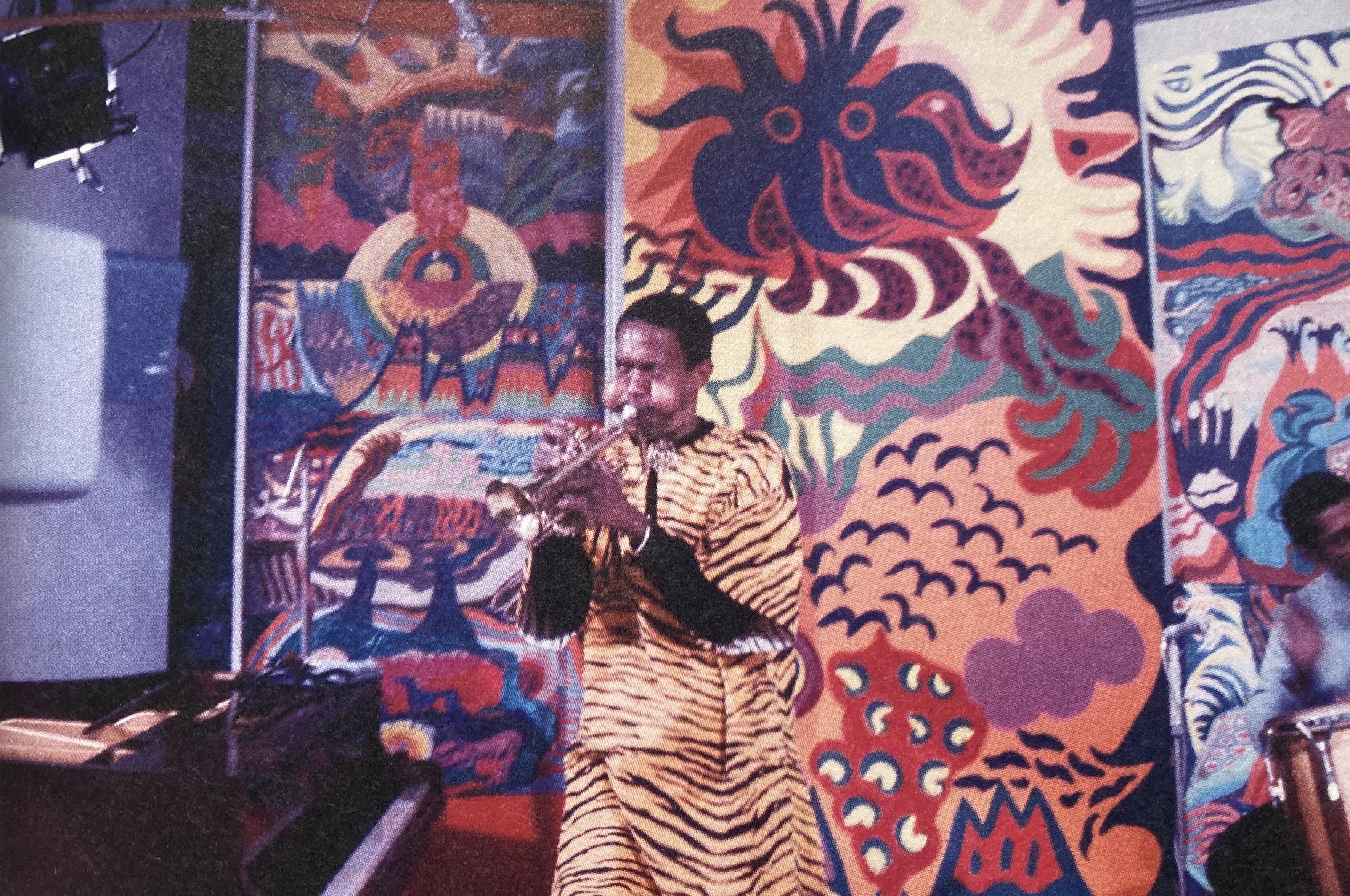
Spiritual jazz was inseparable from the cultural movements of its time. Pan-African philosophy and Black pride played a central role, with musicians reclaiming African rhythms, instruments and visual symbolism as expressions of heritage and continuity.
For many artists, this reconnection was both political and personal - a way of affirming identity while resisting assimilation into dominant Western cultural frameworks.
Eastern Philosophy and Global Influence
Alongside African traditions, Eastern spirituality deeply informed the movement. Indian classical music, ragas and devotional chanting influenced melodic structure and rhythm, while Buddhism and Hinduism shaped the music’s intent.
Albums were often framed as spiritual statements rather than commercial products, reflecting a belief that sound could be transformative - for both the performer and the listener.
The Artists Who Defined the Movement
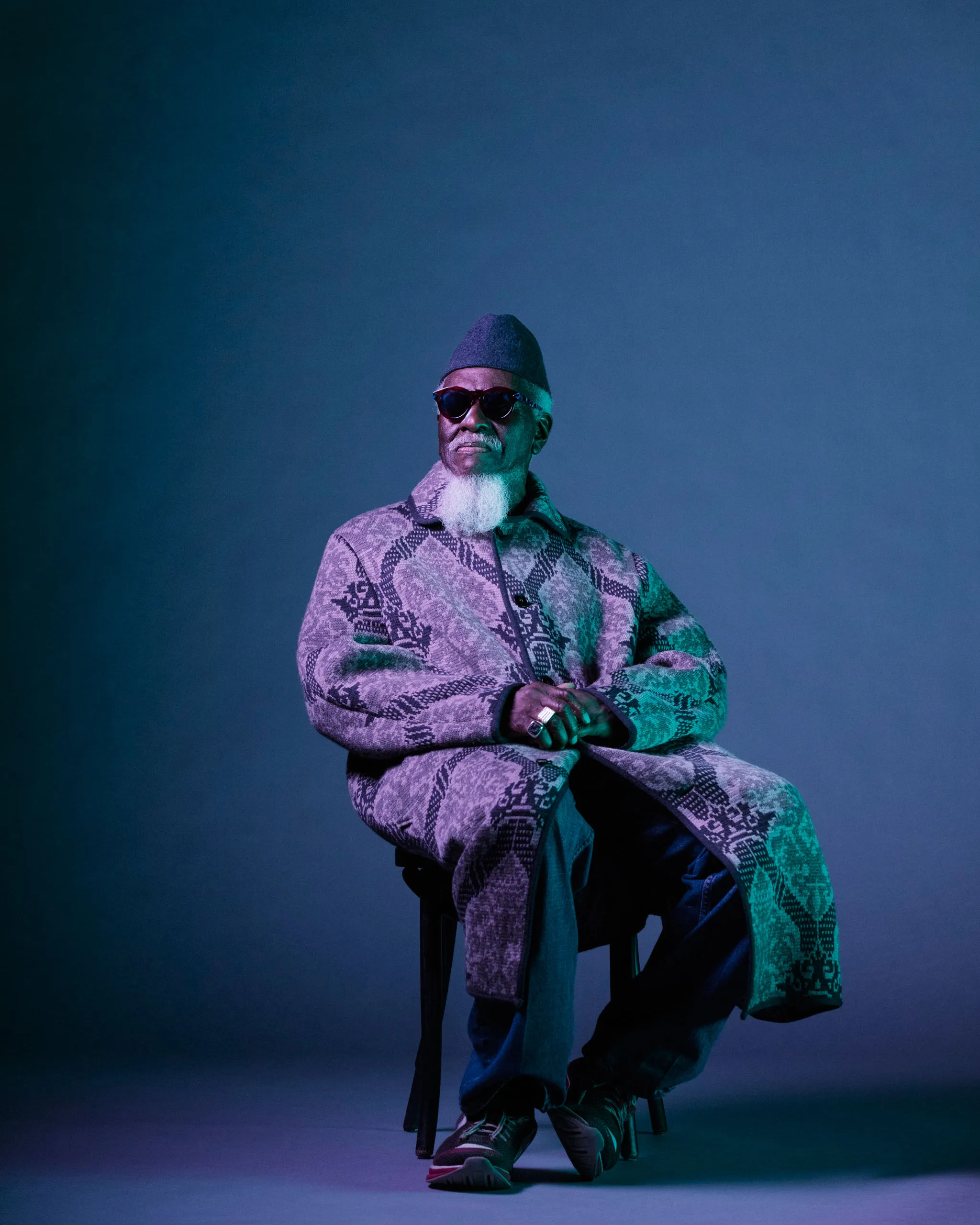
Figures such as Pharoah Sanders, Alice Coltrane, Sun Ra and Don Cherry formed the core of spiritual jazz, each approaching transcendence from a different direction: ecstatic, devotional, cosmic or communal.
Even established musicians including John Coltrane and McCoy Tyner explored spiritual themes in their later work, and independent labels like Impulse! and Strata-East were vital in giving this music space to exist beyond commercial expectations.
Legacy and Contemporary Revival
Although often associated with the late 1960s and early 1970s, spiritual jazz never truly disappeared. Its influence quietly filtered into ambient, experimental, soul and electronic music, shaping approaches that prioritised mood, depth and intention.
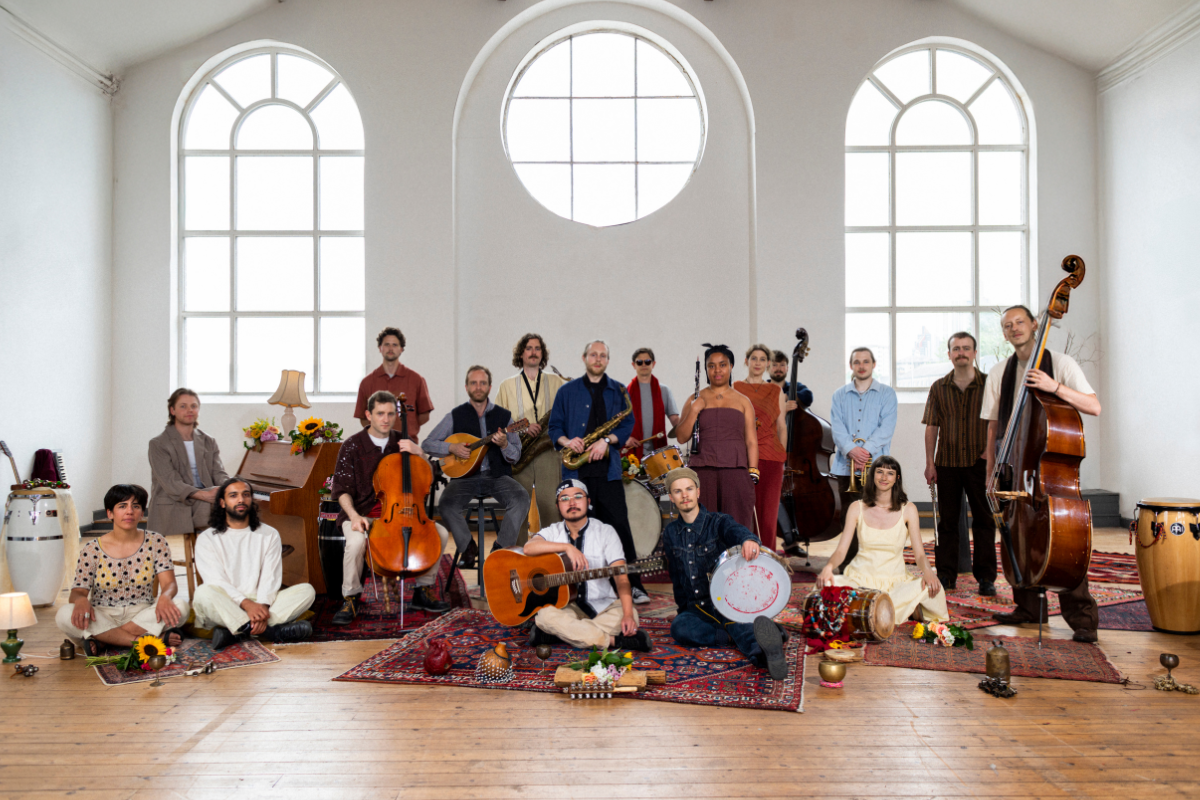
In recent years, a new generation has reconnected with its ideas. Artists such as Matthew Halsall, Ancient Infinity Orchestra, Yussef Dayes and Work Money Death reinterpret the tradition through modern production and collective performance. DJs and broadcasters - notably Gilles Peterson and Worldwide FM - continue to connect historical recordings with contemporary movements.
More Than a Genre
Spiritual jazz endures not because of a fixed sound, but because of its philosophy. It represents a belief that music can be reflective, political and communal at once; a space where sound becomes a means of exploration rather than definition.
Decades on, its resonance remains undiminished.