
Trip Hop: A Short History
The introspective sound that saw rave and soundsystem culture, hip hop and post-punk collide
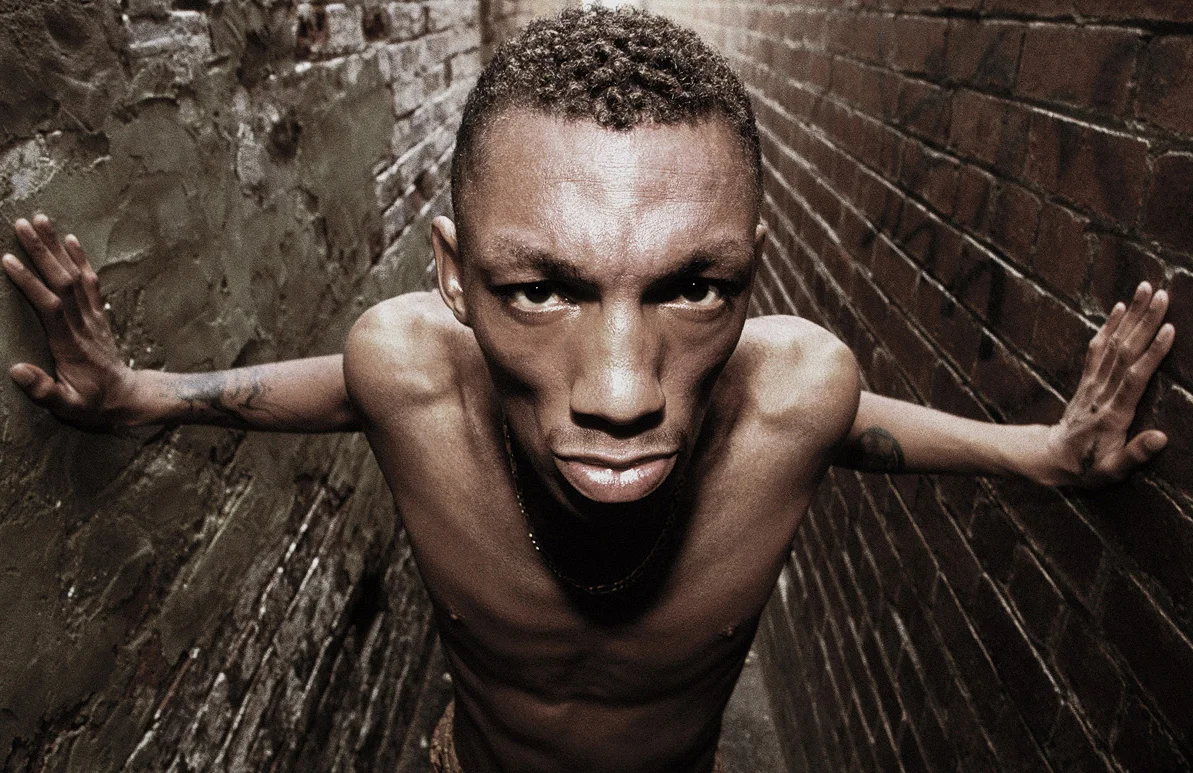
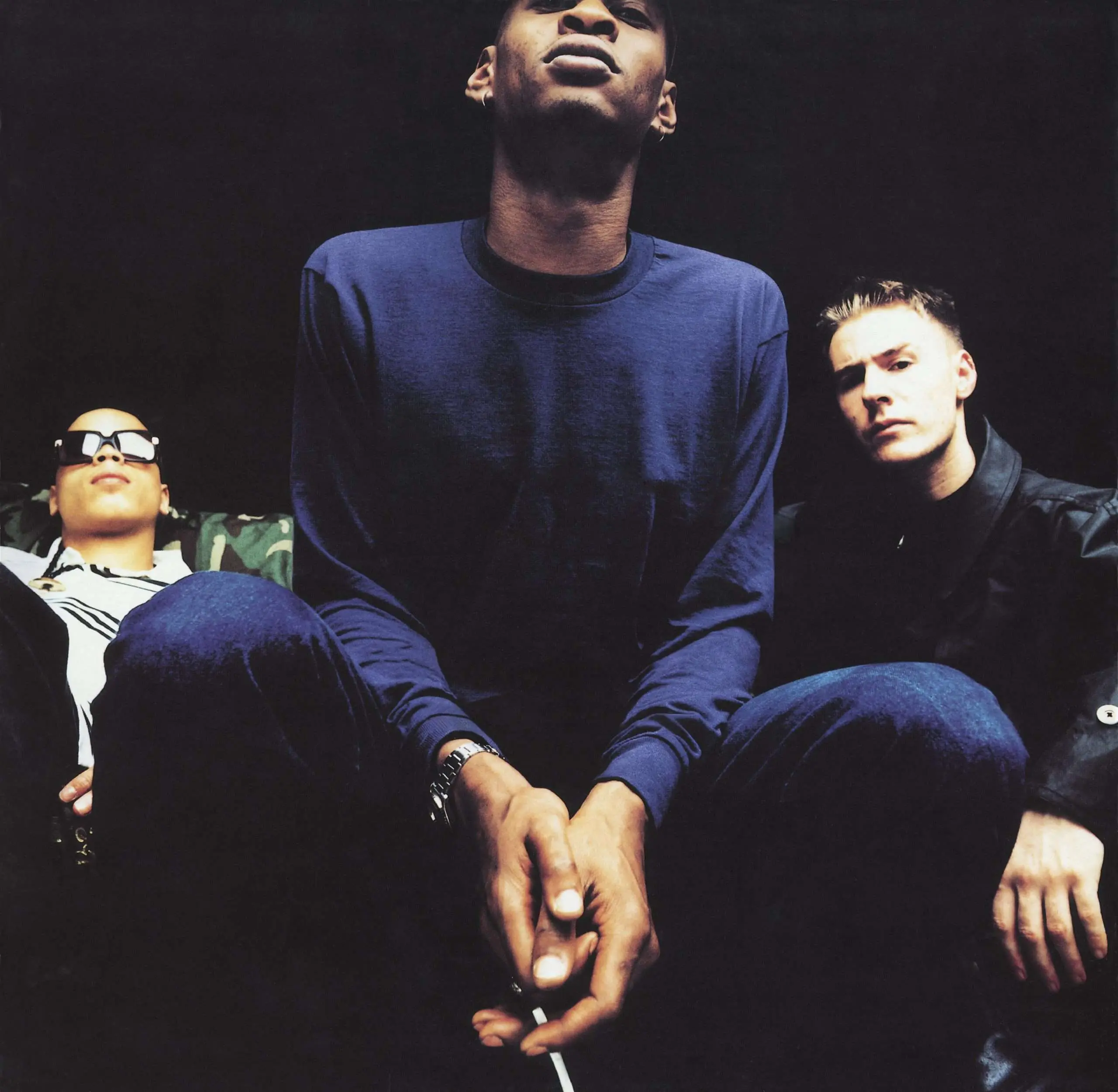
Trip Hop was never meant to be a genre as such. Born out of the rave and dub sound system cultures of multi-cultural Bristol, UK, as well as taking inspiration from post-punk and hip hop, Trip Hop was a mood: slow, heavy and cinematic, where the focus wasn't on dancing but on atmosphere.
The Wild Bunch, a loose collective of DJs and MCs, soon evolved into Massive Attack - whose 1991 debut Blue Lines set the blueprint for Trip Hop with laidback beats, heavy low-end, and soul vocals reframed through modern production. A few years later, Portishead’s Dummy added a cinematic melancholy, while Tricky’s Maxinquaye blurred the boundaries between rap, punk and avant-pop. Strangely, it was American artist DJ Shadow's 1996 track 'In/Flux' that saw music journalist Andy Pemberton coin the term 'Trip Hop'. Before that, it was called 'the Bristol Sound'.
Trip Hop’s aesthetic matched its sound: sparse, urban, moody. Bristol graffiti, Mo’ Wax sleeve design and grainy film stills became its visual language. It was understated but deeply intentional - a reflection of a Britain in transition, post-industrial and politically charged.
By the late 1990s, the term 'Trip Hop' had been stretched thin and largely rejected by its creators. But its influence had already seeped outwards. You can hear its DNA in everything from Burial’s nocturnal dubstep to the experimental R&B of FKA Twigs, and cutting edge contemporary artists like James K and Erika De Casier.
More than three decades on, Trip Hop still feels revolutionary - proof that slowing things down can sometimes be the most radical move of all.
Listen to our Trip Hop: A Short History playlist below.